
Stage 0 · land rights, approvals, soil, buyers and a tested borehole
See the whole farm before you spend.
A one-hectare farm that starts small and grows after the first stage works.
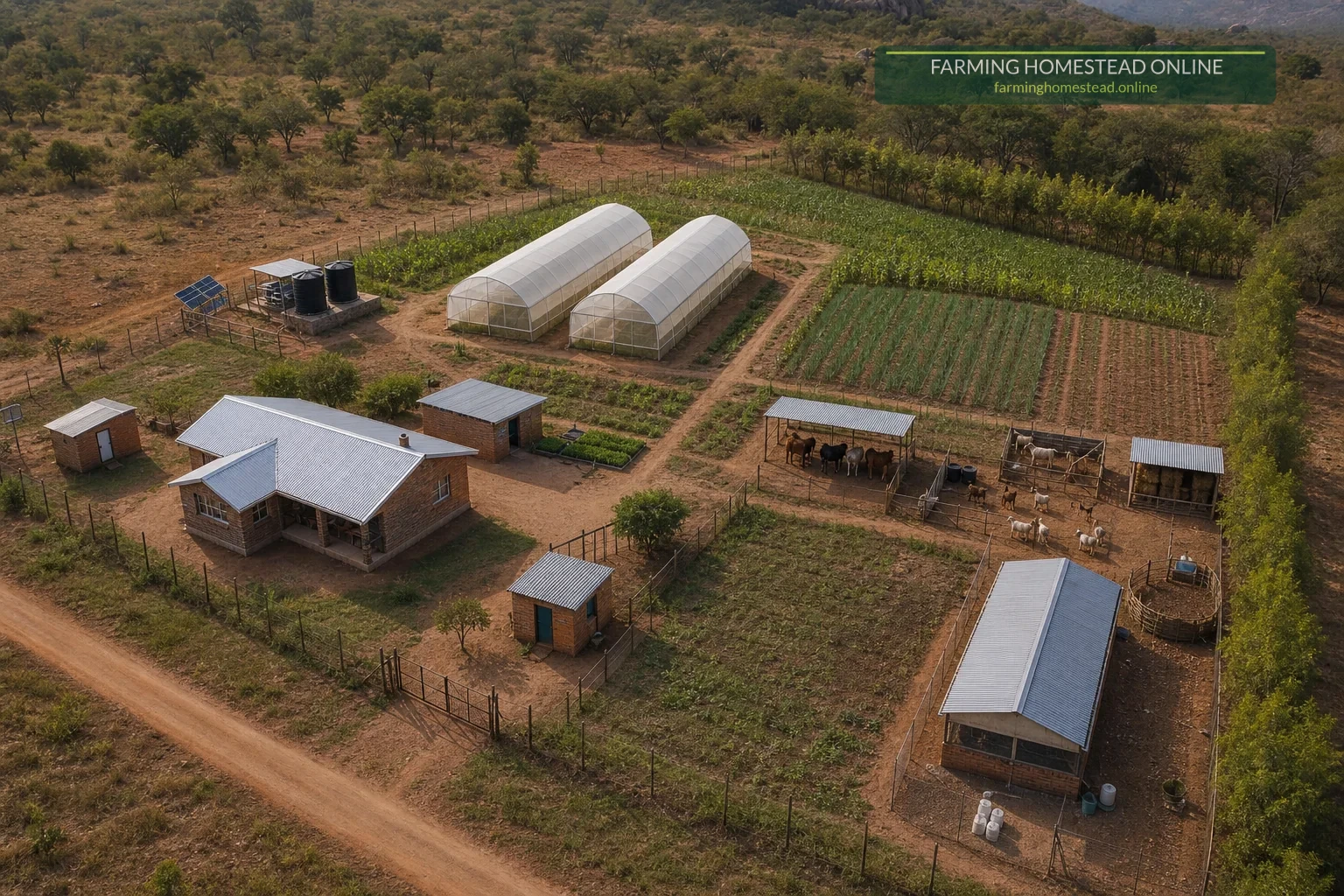
The plan has two crop tunnels, seasonal outdoor onions, 100 broilers, a simple home, water beside the crops and night pens for livestock that still need feed from outside the hectare.
1 haplanning base
2 × 240 m²crop tunnels
100broilers at target
18–24 mobuild completed in stages
Share this plan
Share this Project Pack
Share this public page with someone who may need the plan. The protected PDF and workbook are not shared.
00—15
See the complete farm
Sixteen views of the same farm.
Every image shows the same layout: exactly two tunnels, the borehole and tanks beside them, and onions growing outdoors.
The whole hectare
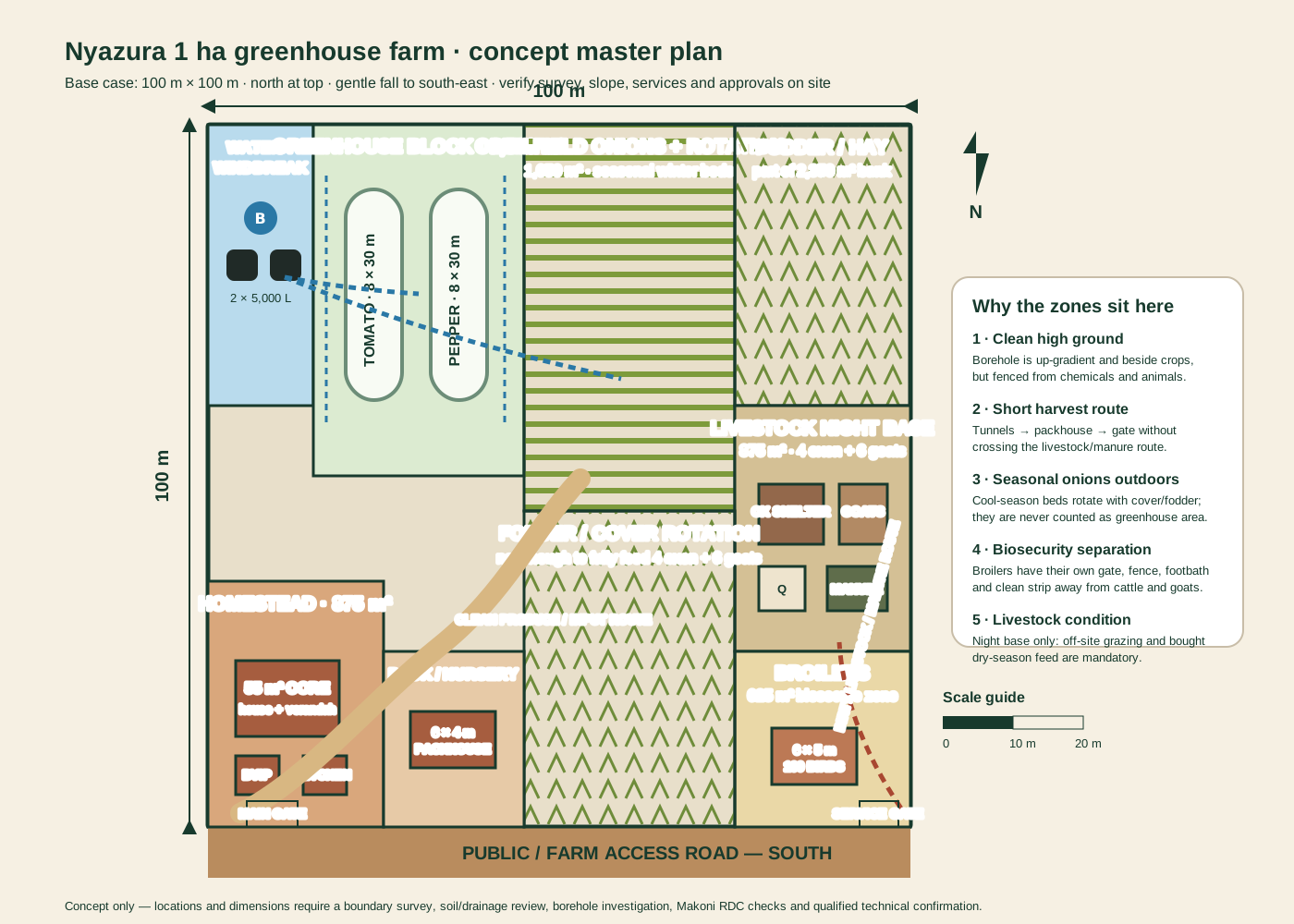
A measured plan with a clean route for produce, a separate livestock route and every activity fitted into 10,000 m².
See the whole farm at once
The main view shows two tunnels, water beside them, outdoor onions, the home, broilers and the livestock area.
Home and controlled entry
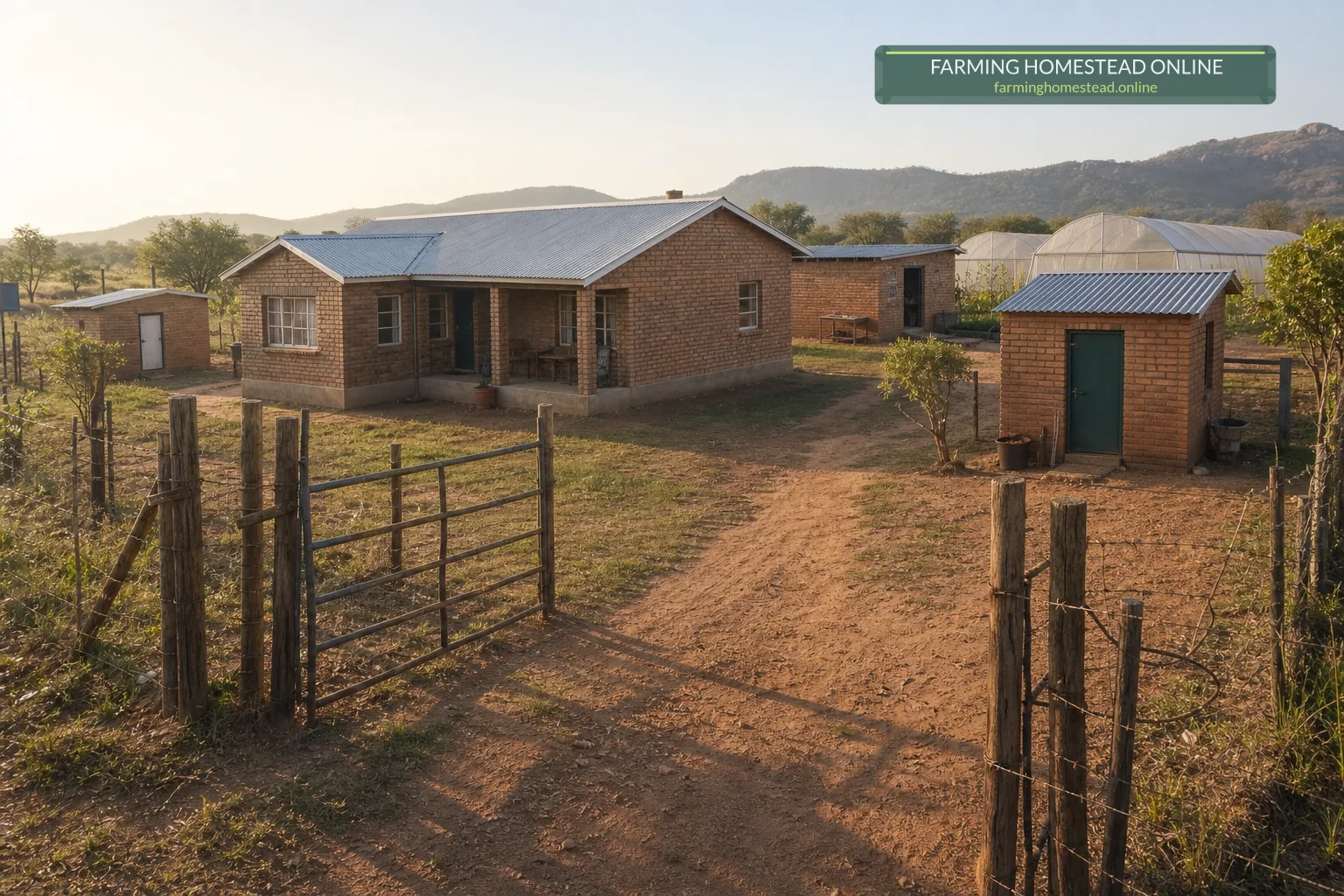
The 55 m² core home protects family life while visitors and deliveries are kept out of the production route.
Two protected-crop tunnels
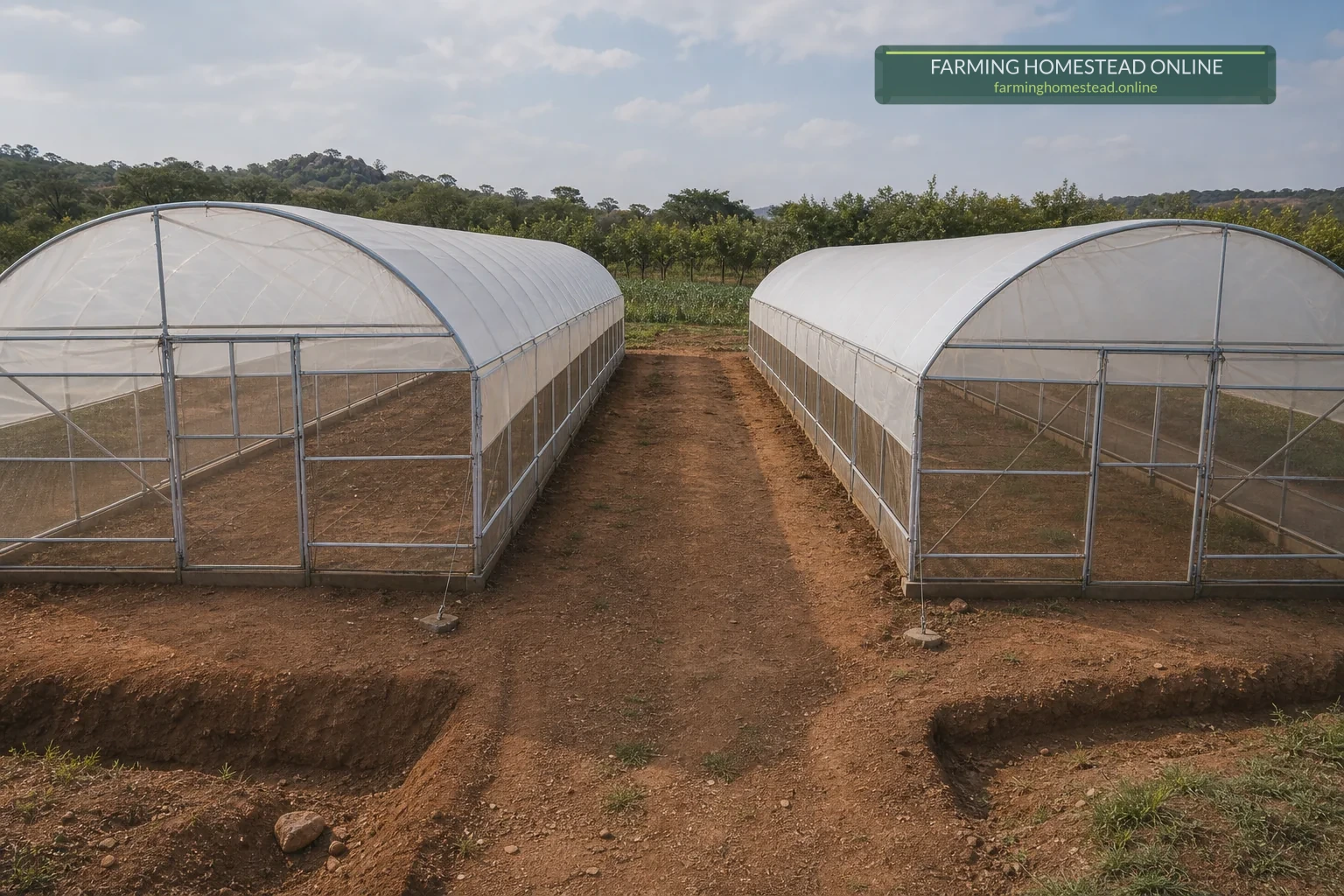
Separate 8 × 30 m houses let tomatoes start first and peppers wait until water, labour and markets are proven.
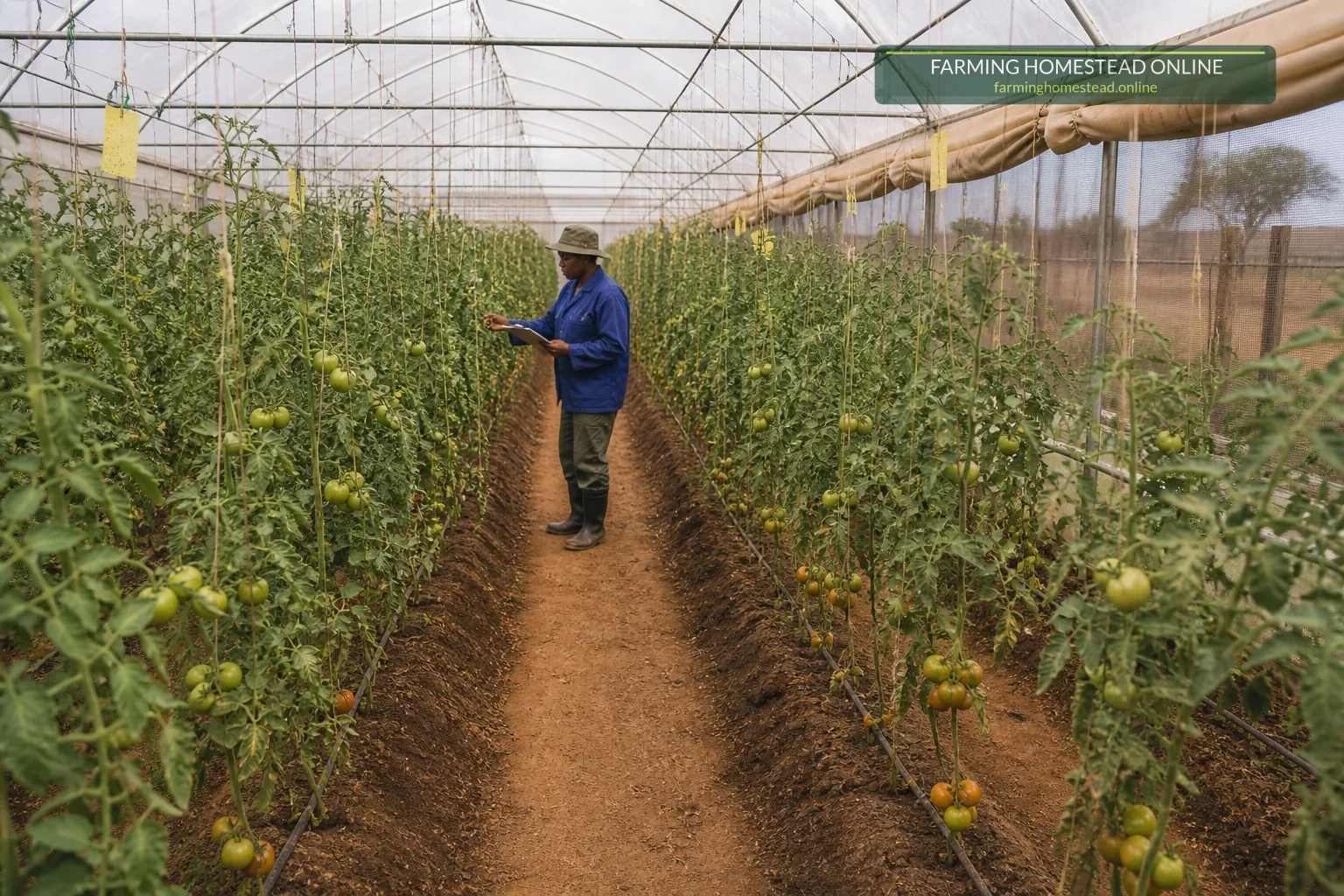
Tomatoes for the first sales
Soil-grown tomatoes with drip irrigation, string supports, space for crop checks and a harvest plan based on confirmed buyers.
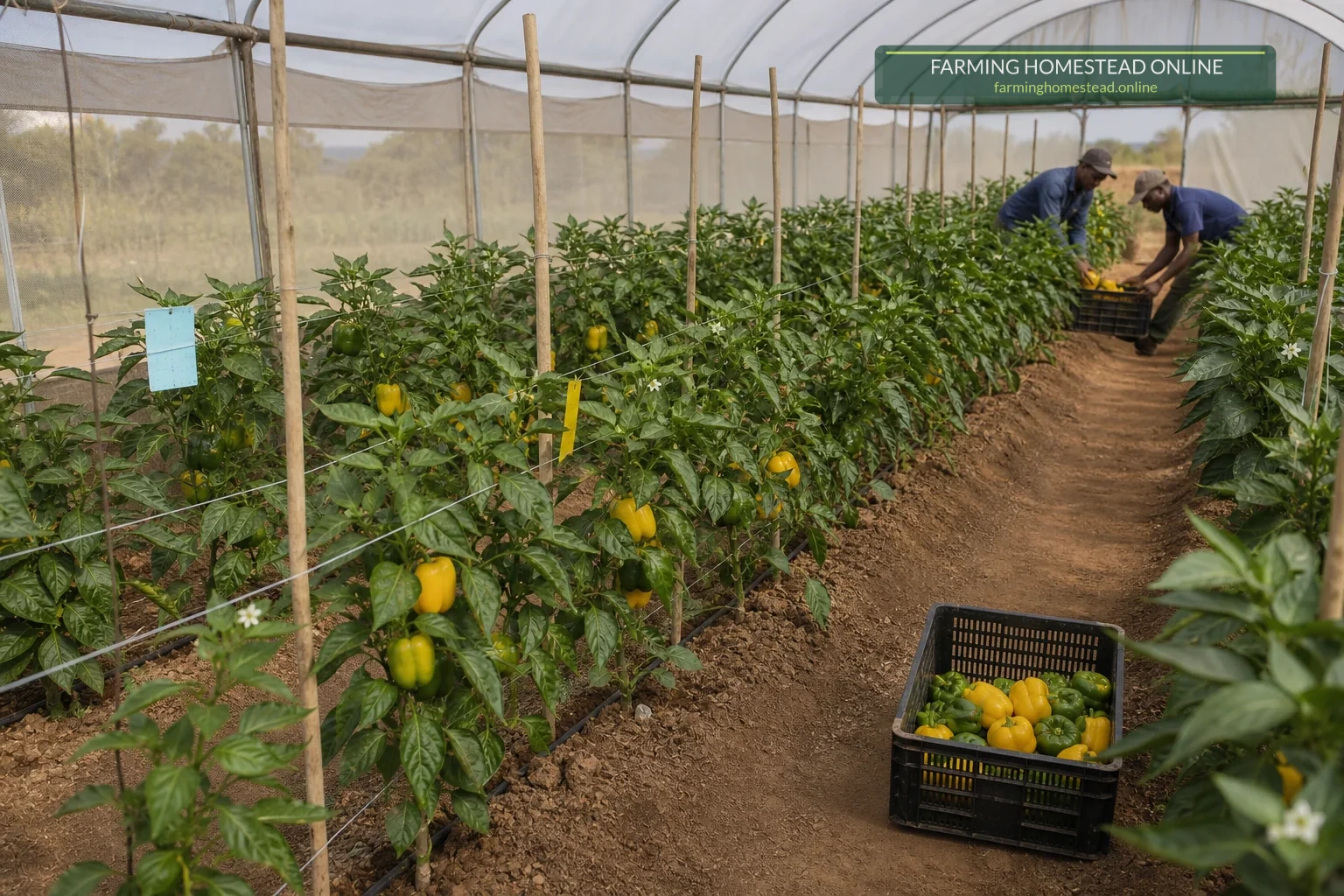
Green and yellow peppers
The second tunnel carries supported peppers only after the tomato system has produced reliable records.
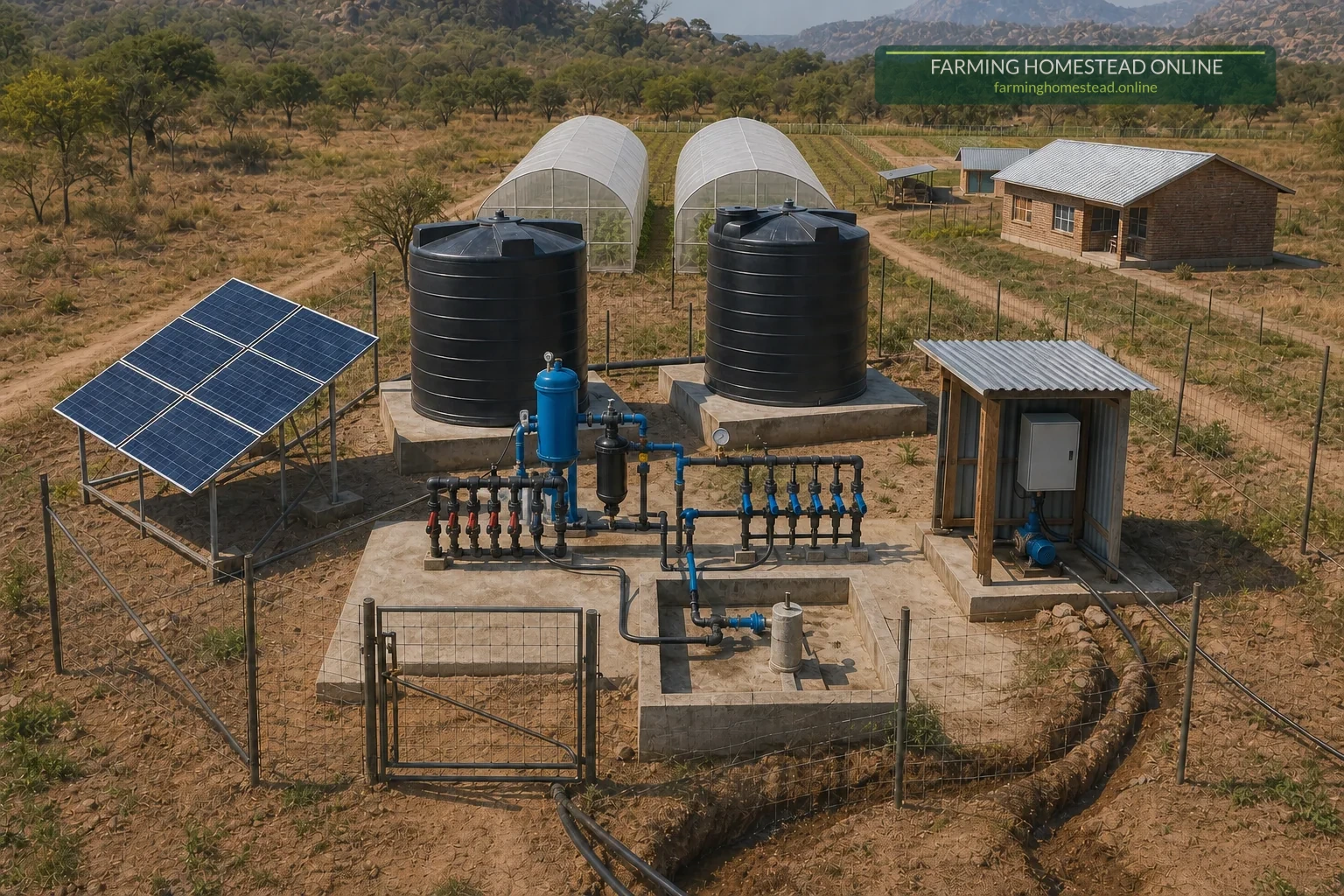
Water exactly where it belongs
The corrected close-up keeps the protected borehole, filtration and two 5,000 L tanks directly beside both tunnels.
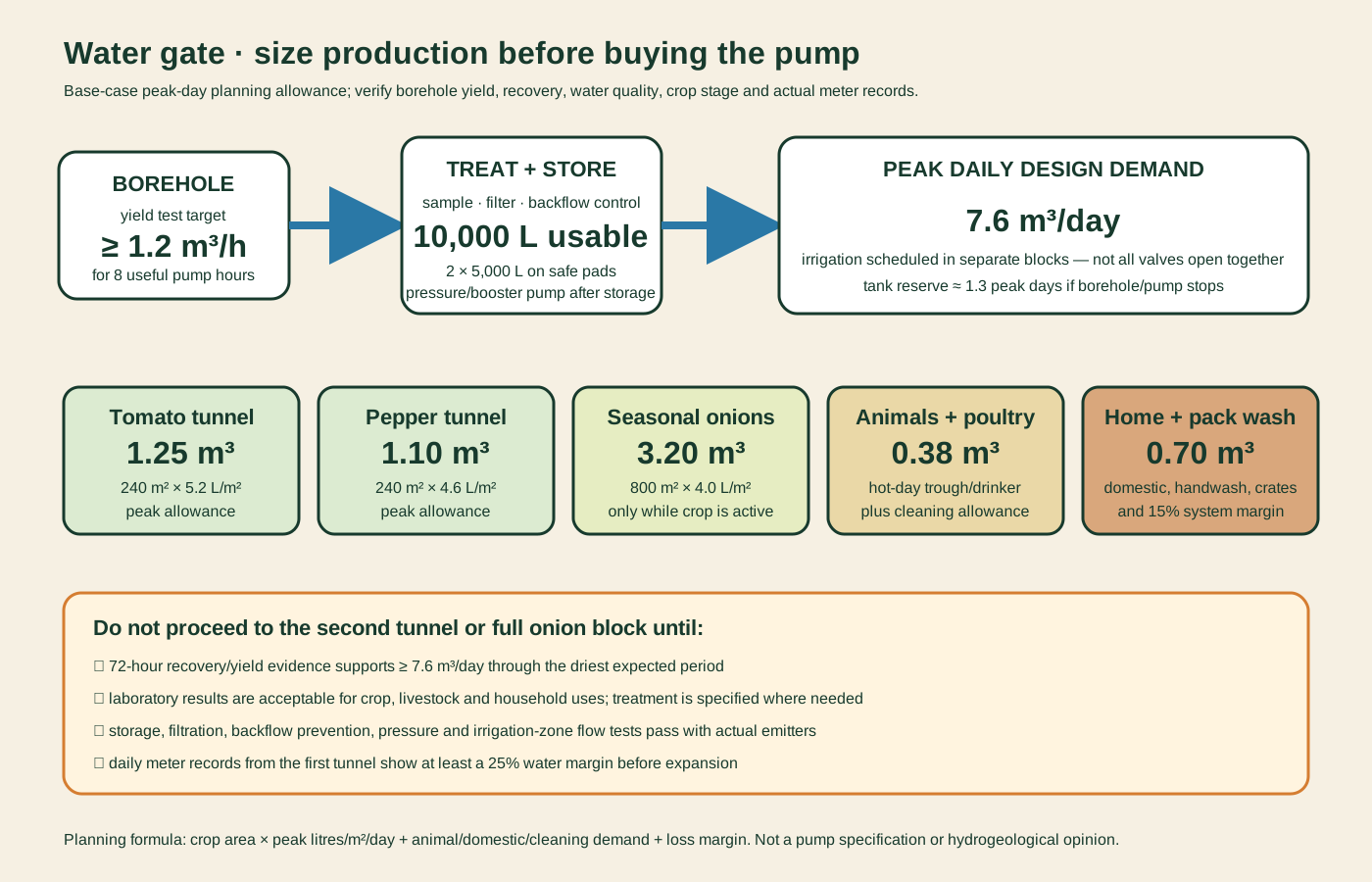
Check water before expanding
Water use, available storage and a dry-season borehole test decide whether the second tunnel can start.
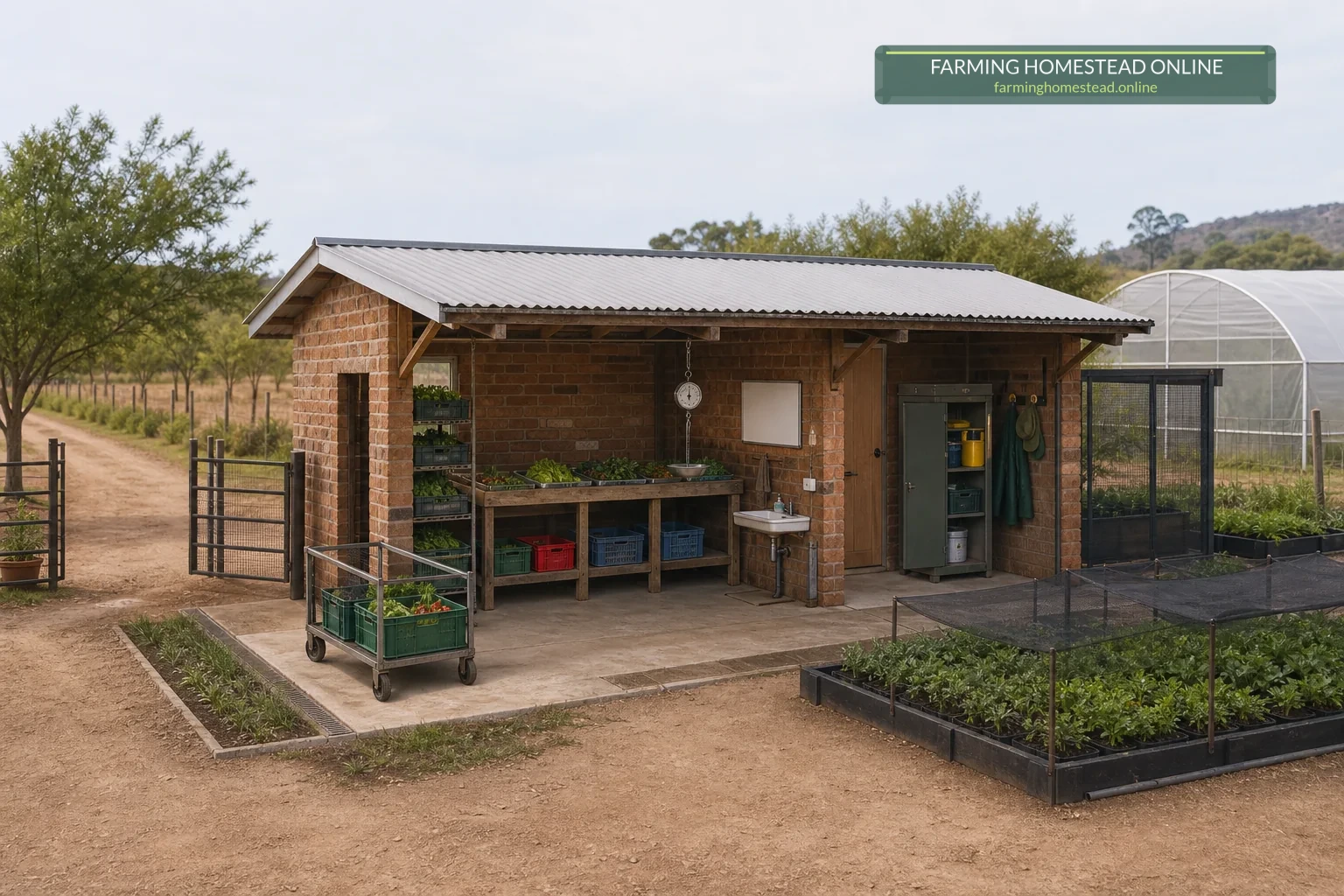
Pack produce in the shade
The nursery and simple packing bench sit between clean water, crops and the main gate so produce stays away from animal traffic.
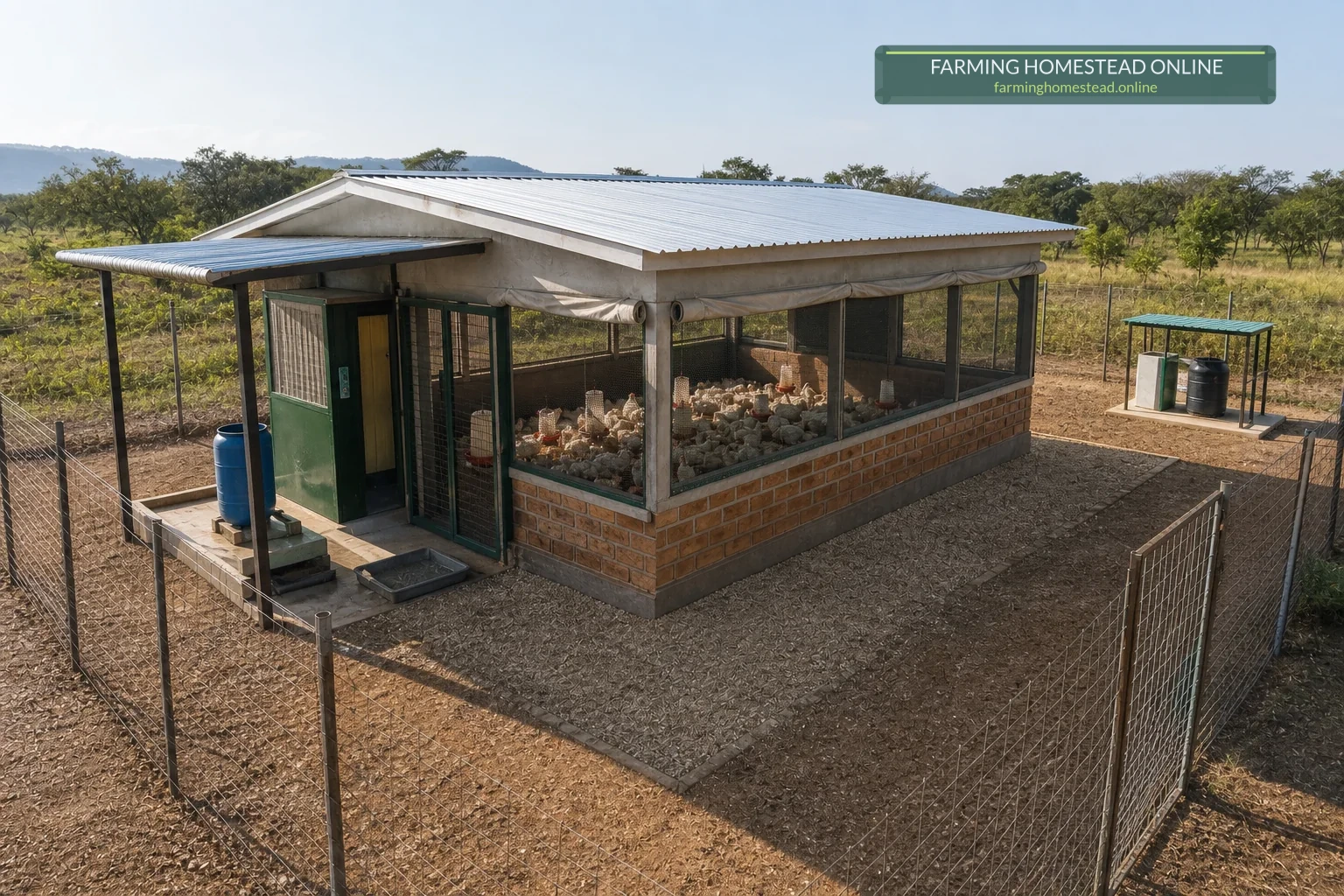
A 100-bird business
The 6 × 5 m house has a controlled entrance, dry litter and a service fence. Start with 50 birds and learn before growing to 100.
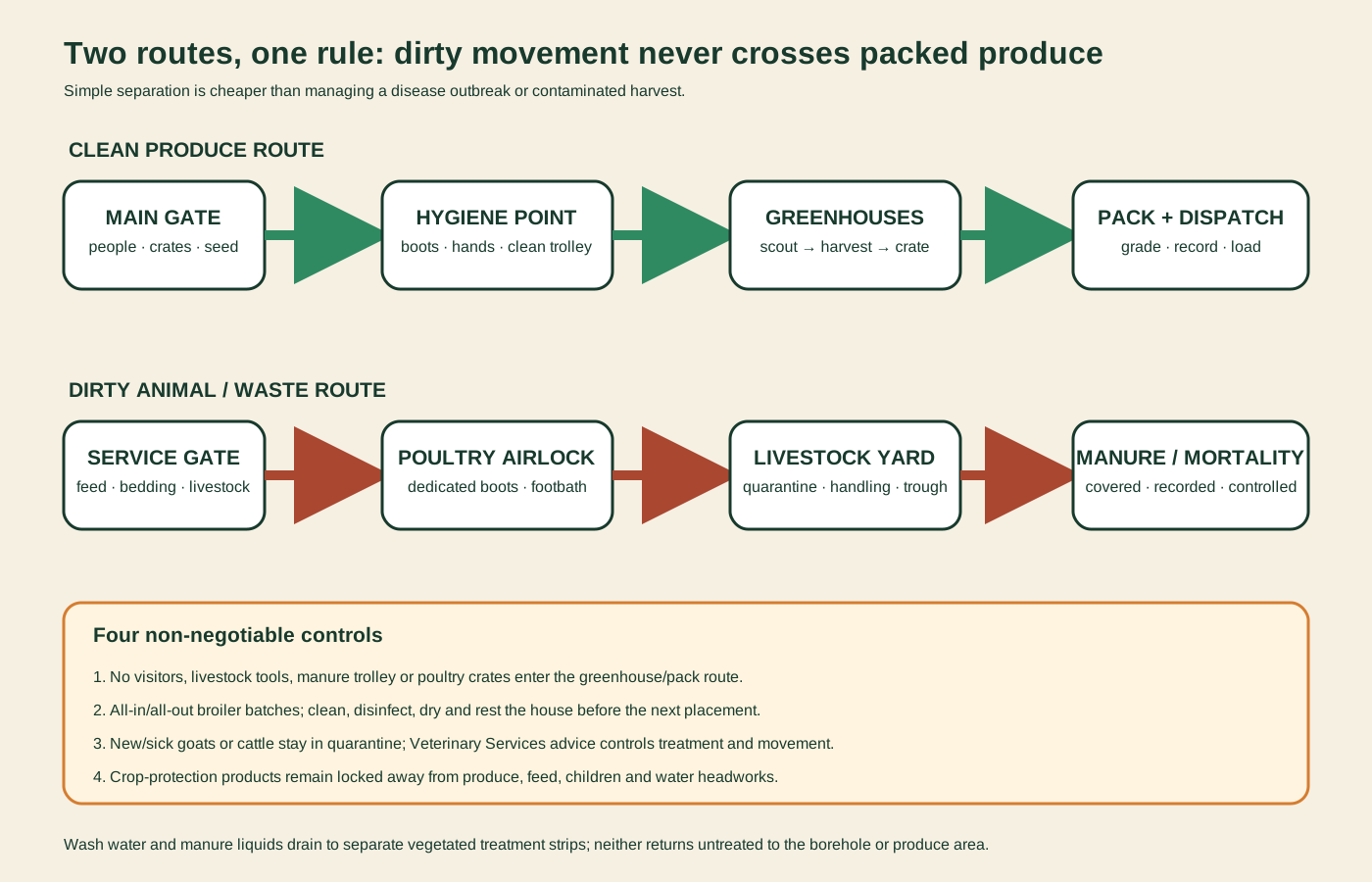
Keep produce and animals separate
Produce uses the packing gate. Birds, livestock, manure and dead animals use a separate service route.
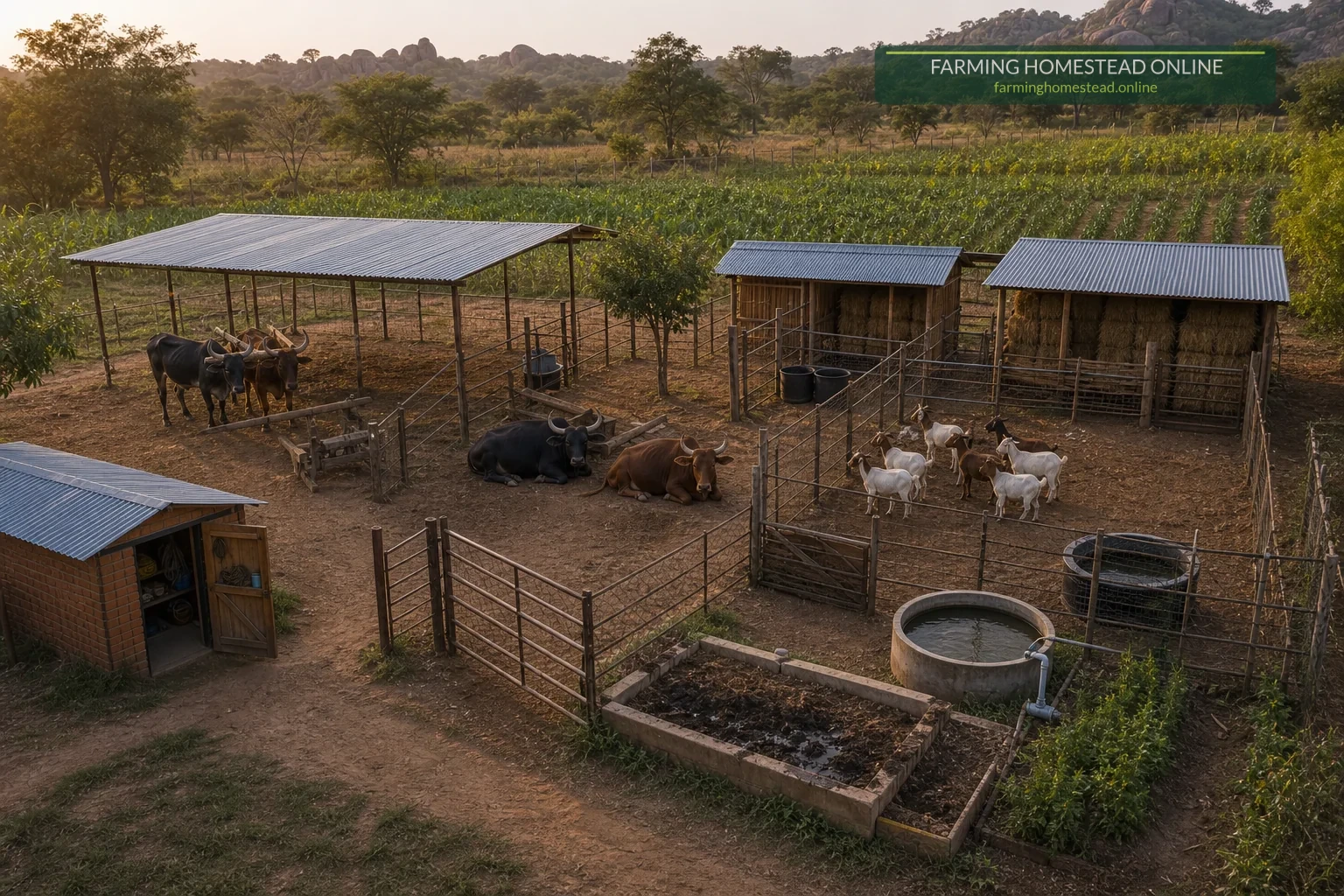
Night pens, not grazing land
Four oxen and six goats have shade, quarantine, handling, hay and manure control, but they still need lawful feed from outside the hectare.
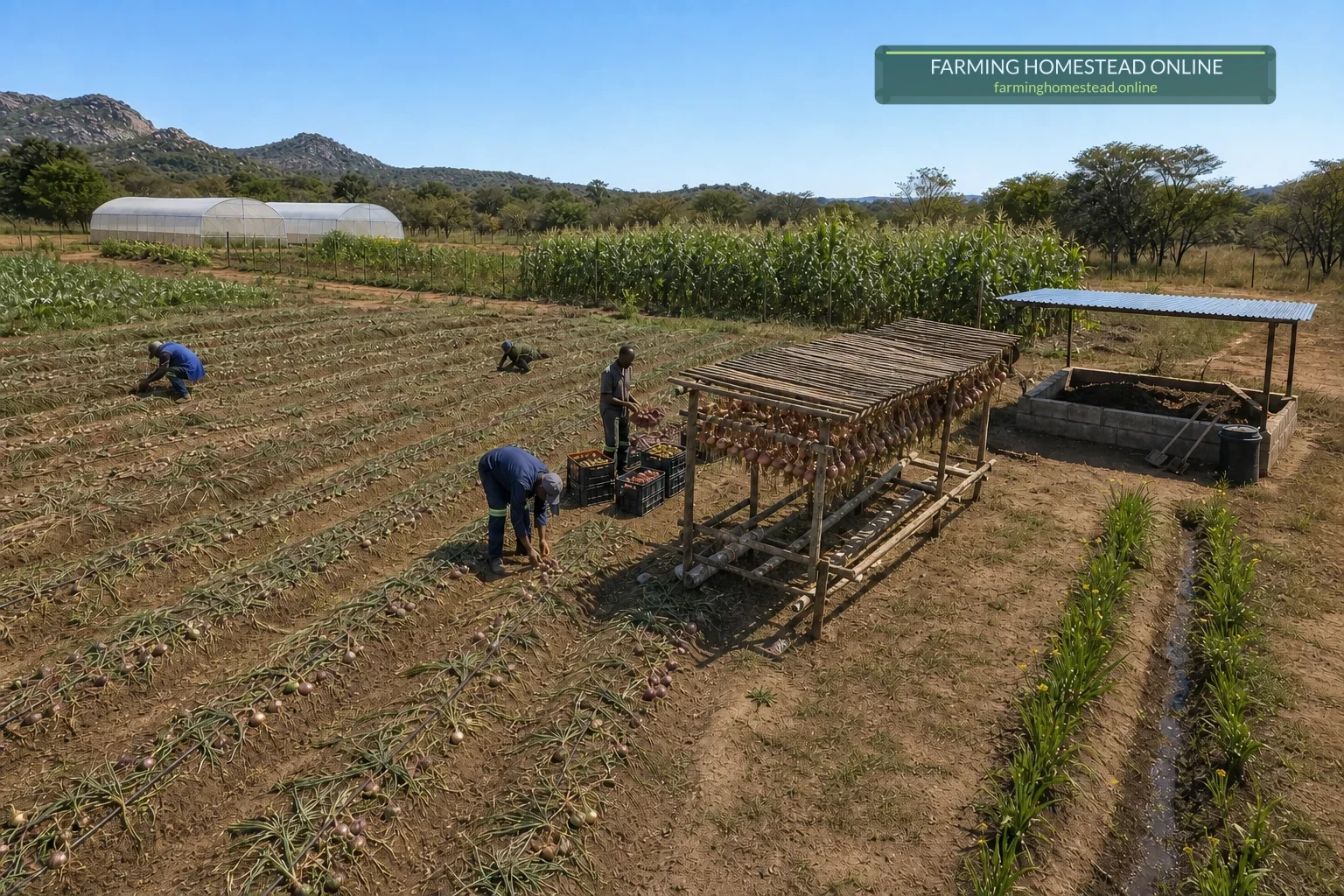
Seasonal onions stay outdoors
The 800 m² cool-season onion business sits east of the tunnels with curing shade and a rotation strip.
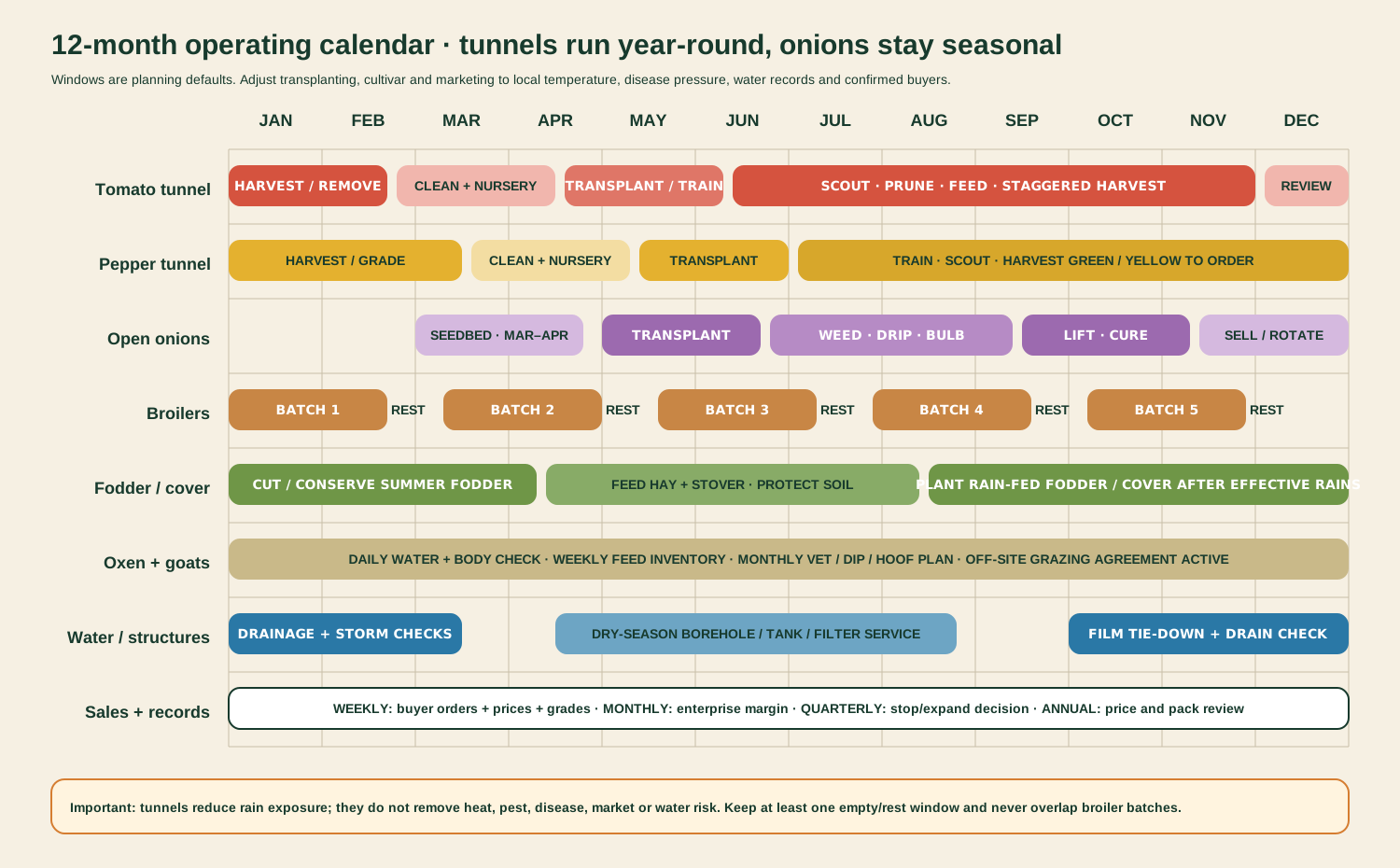
The year has a rhythm
Tunnels continue across seasons; onions use the cool dry window; bird batches keep cleanout gaps; repairs precede storms.
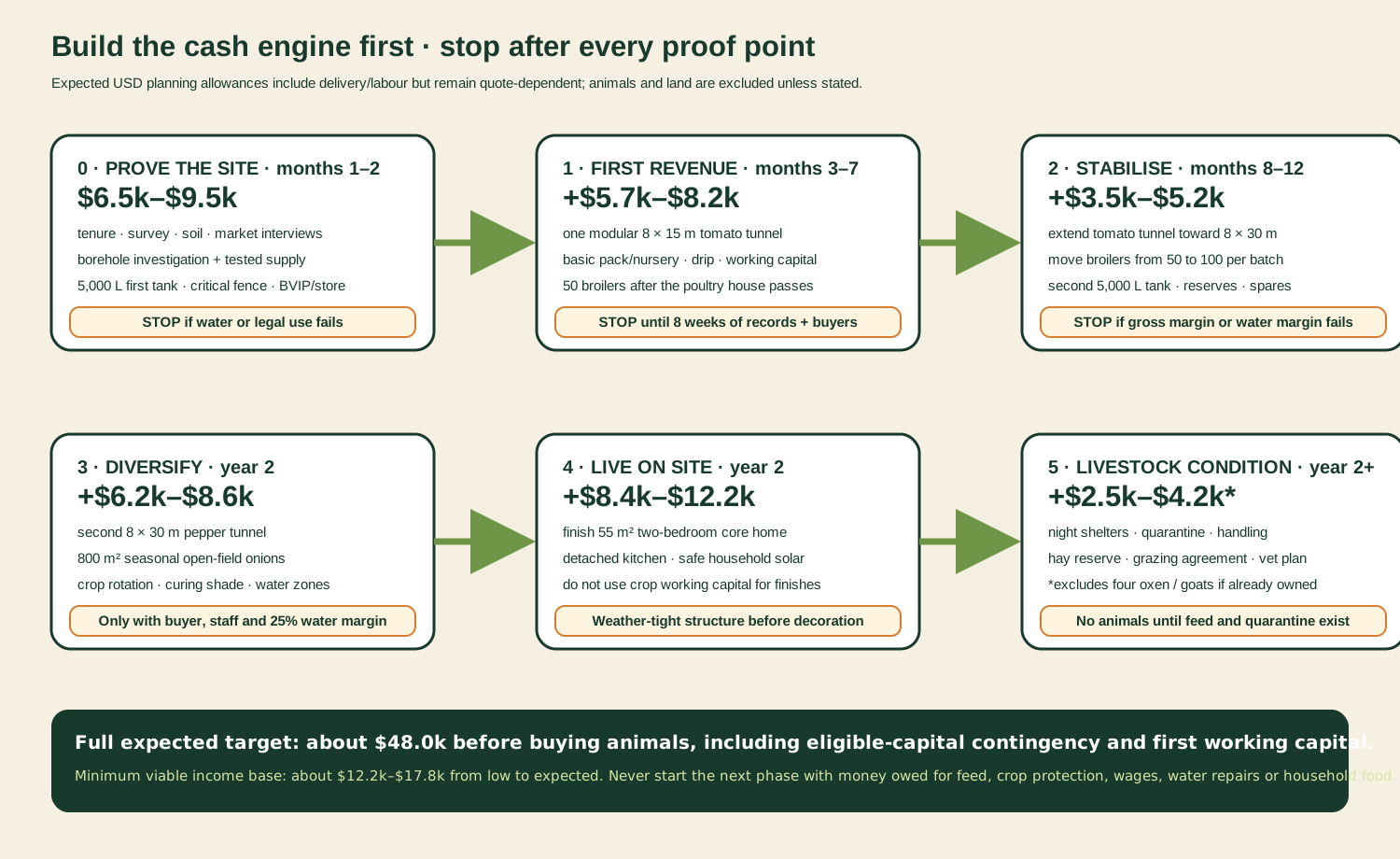
Build only what your money can finish
Six stages move from land and water checks to the first sales, more products, the home and livestock support.
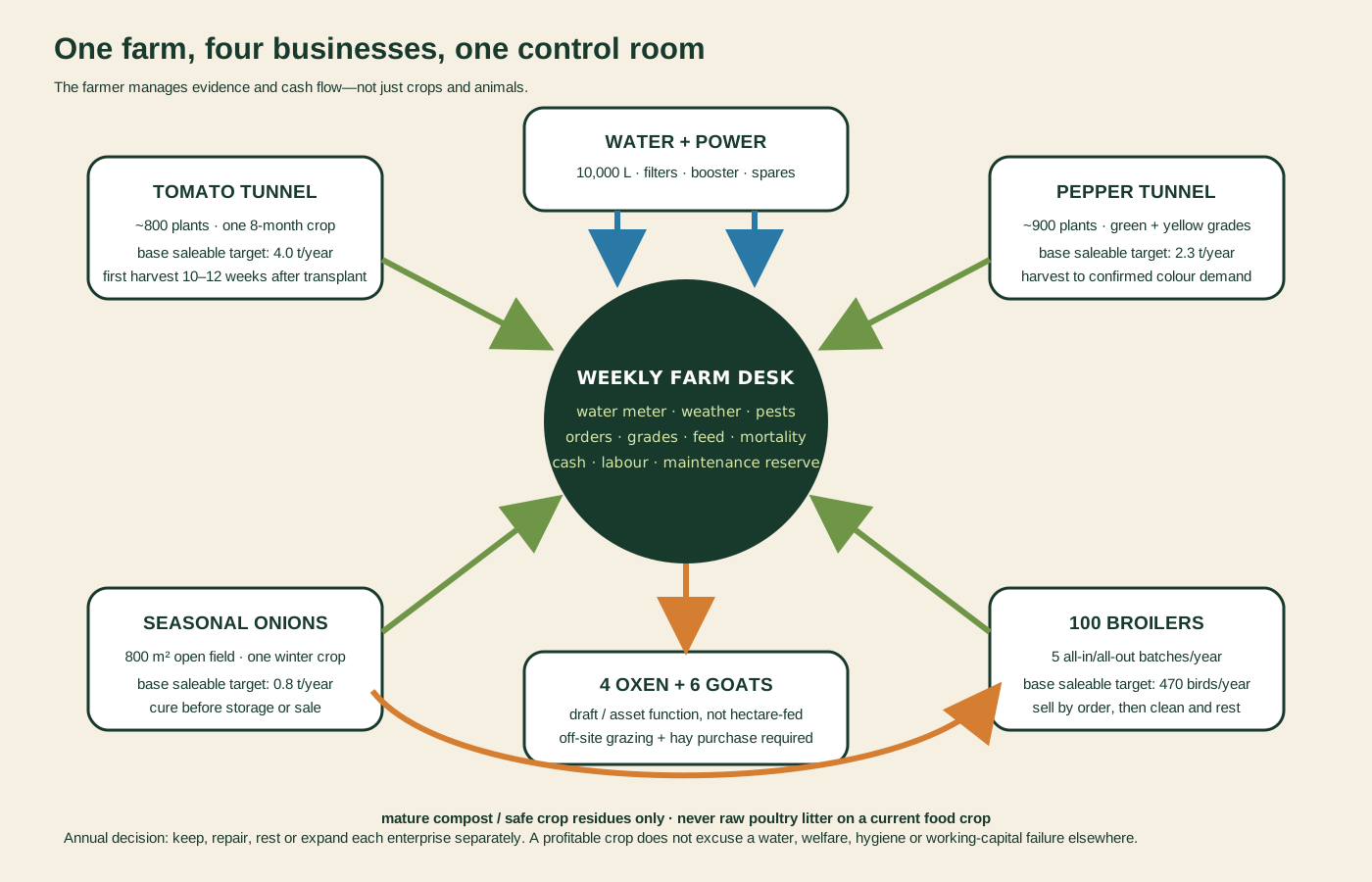
Check the whole farm every week
Measure water and production, record sales and costs, repair problems and expand only when the records support it.
US$
Planning budget
See what your money builds.
You do not need the full build amount on the first day. Complete one stage at a time, get new prices and start the next stage only when its money is ready.
Smallest stage that can start earningUS$12,178–17,760Low to expected cost for the first two stages
Expected full buildUS$47,960Includes a safety allowance and money to run the first cycle
Higher-cost planning limitUS$70,893Extra allowance for risk, not an amount to spend
Stages 1–3 · tomatoes, broilers, peppers and seasonal onions
Phase 4 · weather-tight 55 m² homestead and work kitchen
Phase 5 · yards, handling and feed reserve; animals excluded
The expected groups total US$47,960. This does not include land, finance, taxes or buying the animals. Use the editable workbook for the detailed figures.
What each stage adds
Add each part only when the earlier stage works.
Check first
Confirm legal use, soil, buyers and dry-season water.
Start earning
Build one smaller tomato tunnel section and start with 50 birds.
Make it reliable
Complete the tomato tunnel, add the second tank and develop a reliable 100-bird routine.
Add more products
Add the pepper tunnel and one outdoor onion crop in the correct season.
Live on site
Finish the modest home without taking operating cash.
Add livestock
Only after feed, water, quarantine and animal-health checks are ready.
37 pp
Inside the complete guide
From the first site check to the next production cycle.
Version 0.10.0 explains what to prepare, what to do when birds arrive or crops are transplanted, what to measure, how to see a problem, when to stop, and how to clean and restart.
Decide before spending
Check whether the plan fits, then check the land, water and permissions.
Build and test the main systems
Use the measured layout, check completed work and set up the borehole and tunnels.
Run every farm activity
Step-by-step tomato, pepper, onion, broiler and livestock guides from preparation to sale and restart.
Build in affordable stages
Six stages showing the time, money needed first, what must already be ready and when to stop.
Control money and results
Full buying list, 24-month plan, farm records, production examples, risks and recovery steps.
Protect and review
Budget rules, named professional checks, source limitations and correction control.
From the picture to the work
Every farm activity has a step-by-step guide for its first cycle.
The free page shows what the farm will contain. The complete Pack explains how to run each part.
10–12 weeks to the first tomato harvest — planning range
Start and manage the tomato crop
- Grow seedlings for six to eight weeks and confirm buyers
- Prepare two days before planting, plant correctly and check early growth
- Support the plants, manage flowering and fruit, harvest and clear the old crop
- Watch for pests and disease signs and know when to stop and ask for help
50 → 100 birds after the first batch works well
Broilers from preparation to final cleanout
- Prepare the house for fourteen days and follow the arrival-day order
- Check chick feeding, feed, water, litter and weekly weight
- Watch for visible disease signs and call a qualified animal-health worker
- Follow the correct medicine waiting period, legal sale route and next-batch checks
Outdoor crop from about February to October — planning range
Onions from the seedbed to a dry, graded crop
- Choose the right onion variety and confirm buyers before planting
- Prepare the seedbed, transplant, water the shallow roots and control weeds
- Manage bulb growth, harvest at maturity, dry, grade and store the onions
- Rotate crops and check for disease before planting onions again
Could this work?
The land is large enough. Good management is harder.
The crop tunnels, 800 m² onion area and 100-bird batch fit. Do not expand if dry-season water, confirmed buyers, money to keep the farm running, records or approvals are missing.
The farm images are free to view.
The complete Pack explains how to build and run the farm.
The paid Pack gives you the quantities, choices and step-by-step work needed to turn the pictures into a working farm.
37-page step-by-step guide
How to start, complete each stage, watch for problems, harvest or sell, clean up and begin again.
Nine-sheet editable workbook
Item quantities, money for each stage, money to run the farm, planning choices and checked formulas.
Records and signs that need action
Daily and weekly records, pest and disease signs, checks before the next step and when to call a qualified person.
Control what you buy
What to buy, questions to ask, buying order, checks before acceptance and ways to protect the budget.
US$10Create your account, then WhatsApp for the correct payment details. Access stays in My Farm after payment is checked.
Start the US$10 purchaseNOT FOR RESALE.Do not copy, share, upload or resell Project Pack files without express written permission.Read the copyright and licence rules
Other Project Packs you may like
Compare another practical route before you decide. These suggestions are matched to the land, enterprises, water and growing conditions in the Pack you just viewed.


