
Prepared by the Farming Homestead Online editorial team. Sources and wording last checked on 19 August 2026. Use the guide for planning, then confirm current facts for your exact site.
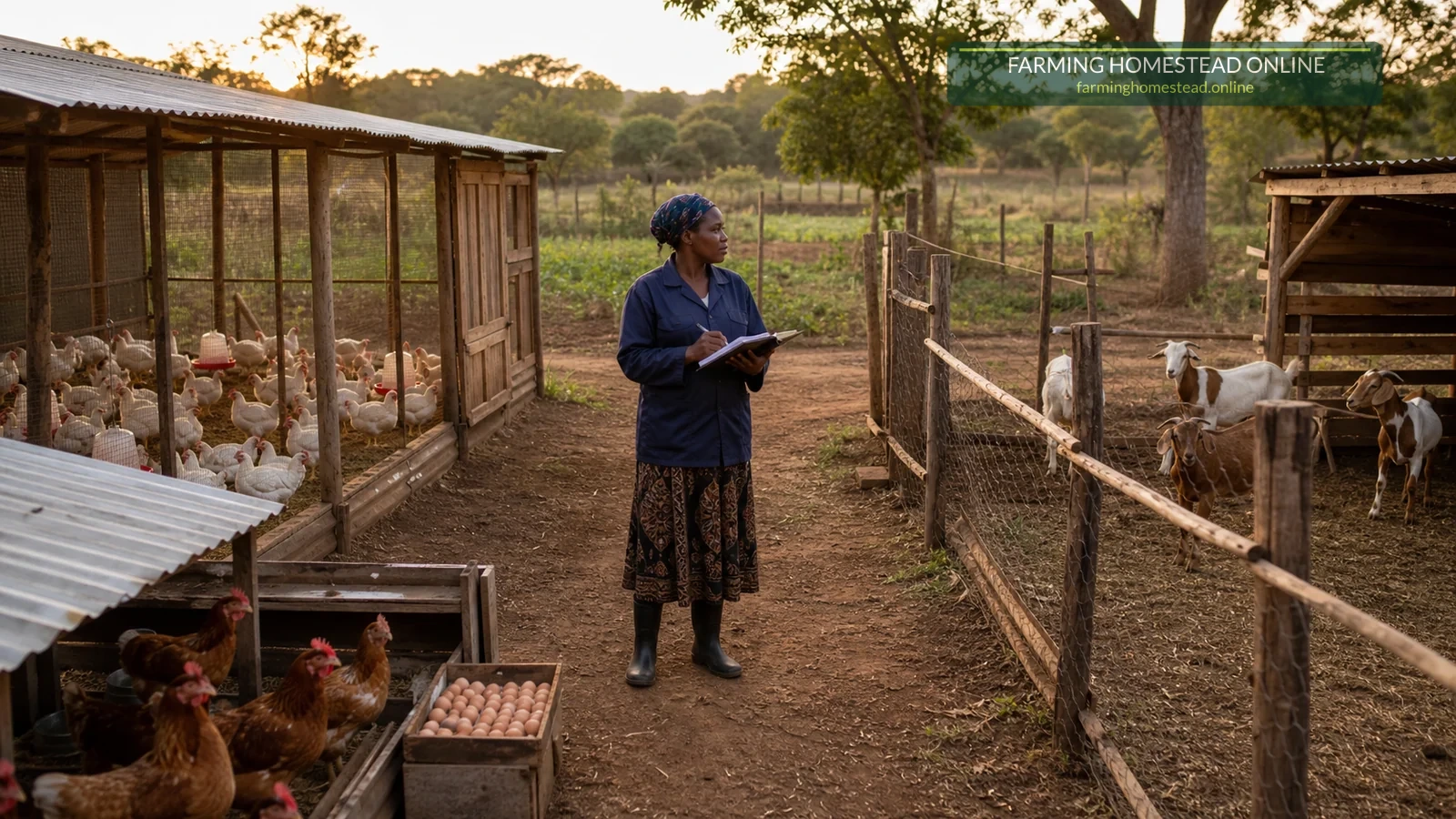
Short answer: Broilers usually have the shortest production cycle, but they need close daily control and a buyer at the right time. Layers need a longer feed commitment before steady egg sales. Goats grow more slowly, but may fit drier areas when feed, lawful grazing, fencing and animal-health support are ready.
Do not choose from the selling price alone
- Feed is a repeated cost, not a once-off purchase.
- Every option needs clean water and secure housing before animals arrive.
- Disease prevention and biosecurity are part of the business model.
- A buyer who says “bring them when ready” is not a confirmed order.
- Keep emergency money outside the setup budget.
Quick comparison
| Question | Broilers | Layers | Goats |
|---|---|---|---|
| What do you sell? | Meat birds in batches | Eggs over a longer laying period, then spent hens | Breeding stock, growers or finished animals depending on the plan |
| Time before regular sales | Usually the shortest of the three | Longer wait before laying begins | Usually the slowest biological cycle |
| Daily attention | Very high, especially early and near sale | High and continuous | Daily checks plus grazing or feed management |
| Feed commitment | Intensive for each batch | Continuous for many months | Forage, browse, hay and supplements must cover the dry season |
| Space | Compact house with strict stocking and ventilation control | House, nests, feed and egg-handling area | Pen, handling, quarantine and a lawful feed or grazing plan |
| Main beginner trap | Buying chicks before confirming feed, heat, health plan and buyers | Underestimating feed costs before egg income starts | Assuming open land means free, adequate year-round grazing |
Choose broilers if you can manage a strict batch
Broilers can suit a beginner who is present, follows a clear health and feeding programme, keeps accurate daily records and has buyers for a defined sale window. A short cycle does not mean low risk. Temperature, ventilation, water, litter, stocking, feed quality, disease and late selling can change the result quickly.
Before ordering chicks, confirm the complete feed requirement, brooding equipment, backup heat or power, cleaning and downtime between batches, mortality disposal, Veterinary Services advice and the buyer’s required weight and delivery date.
Choose layers if you can carry costs for longer
Layers can create frequent egg sales once production is established. The difficult part is the period before and during laying: the birds keep eating whether egg prices are good or poor. The business also needs egg trays, clean handling, breakage control, lighting and a reliable route to customers.
Ask whether your market wants trays every day, every week or only at certain times. A small local route can be useful, but it still needs enough customers to take production without repeated discounting.
Choose goats if feed and fencing are already real
Goats may fit drier parts of Zimbabwe better than an intensive crop, but they are not “free money from the bush”. They need secure night housing, water, fencing or controlled movement, dry-season feed, quarantine, parasite and disease control, breeding records and a lawful place to browse or graze.
A small property may hold the pen and handling area without producing all the feed. Price bought feed or confirm lawful outside grazing before increasing the herd.
Which is easiest?
The easiest option is the one supported by resources you already control.
- Broilers may be easier when you have daily supervision, cash for a complete batch and confirmed meat buyers.
- Layers may be easier when you have a stable local egg route and can fund feed before laying and during price changes.
- Goats may be easier when secure space, feed, water and local animal-health support are already available.
A safer beginner test
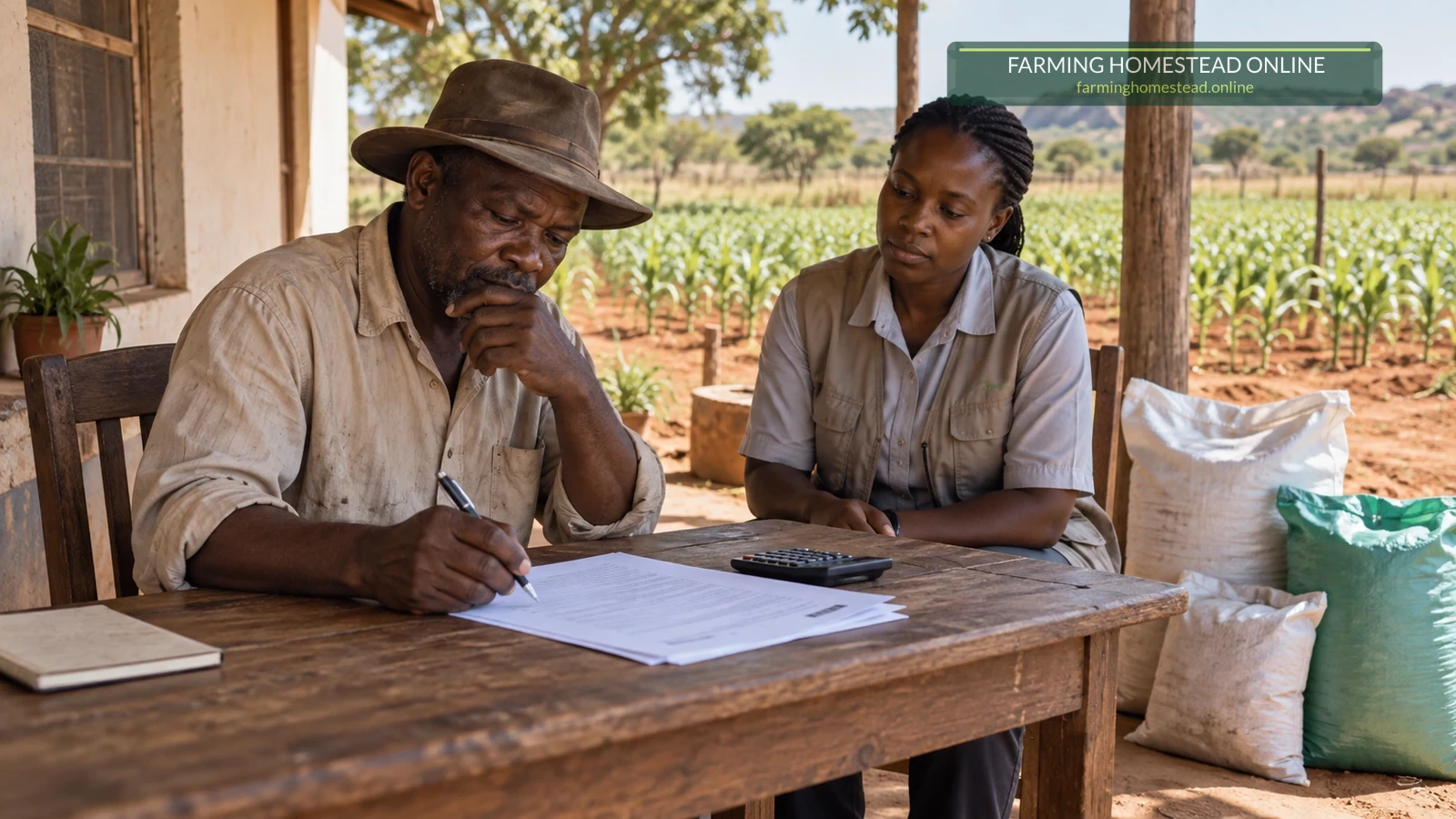
- Speak to at least three real buyers and write down what they buy, how often and how they pay.
- Get current quotations for housing, equipment, stock, the complete first feed cycle, vaccines or health services, transport and cleaning.
- Ask Veterinary Services or a qualified animal-health professional about local disease risks, vaccination and movement requirements.
- Prepare housing, water, feed storage, quarantine and waste handling before stock arrives.
- Start with a size you can supervise personally and review the records before repeating or expanding.
Questions people ask
Which animal gives money fastest?
Broilers generally have the shortest production cycle of these three, but income is not automatic. The birds must survive, reach the buyer’s requirement and sell on time at a price that covers the full batch cost.
Are goats cheaper to keep than chickens?
Not always. Goats may use browse and crop residues, but fencing, dry-season feed, breeding stock, health care, theft prevention and slower turnover all carry costs.
Should a beginner mix all three?
Usually not at the start. Each enterprise has different buildings, routines, diseases, records and markets. Learn one system first.
Sources and local checks
This guide was reviewed on 19 August 2026. It uses guidance from Zimbabwe’s Department of Veterinary Services, FAO’s Zimbabwe broiler Farmer Field Schools, the FAO Zimbabwe country overview and the IFAD Smallholder Agriculture Cluster Project. Get current local animal-health advice before buying stock or medicines.

Join the farm conversation
Share what is working on your farm, ask a clear question or add a useful local experience.
Sign in to leave a reply
A free account keeps the discussion useful and places your name beside your reply.
Quickest option
After sign-up or sign-in, you will return to this article and this reply box.