
Prepared by the Farming Homestead Online editorial team. Sources and wording last checked on 19 August 2026. Use the guide for planning, then confirm current facts for your exact site.
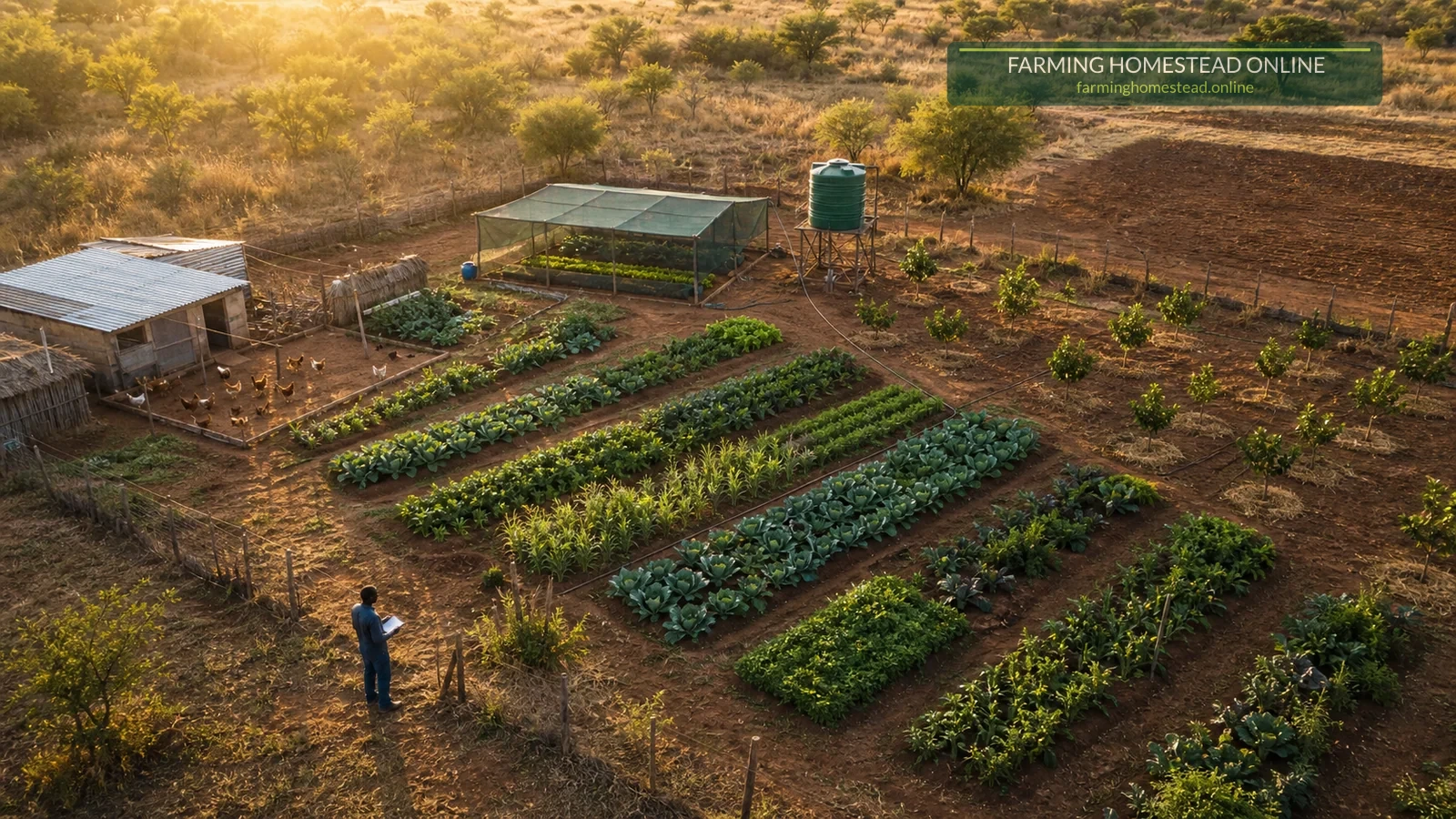
Short answer: One hectare can support a useful household food project or a focused small business. It is usually too small for every idea at once. Choose one main activity, protect space for water and access, and add a second activity only when the first one is working.
Start with these five facts
- One hectare is about 10,000 square metres, but boundaries, slopes, servitudes and unusable ground can reduce the working area.
- Water quantity in the driest months matters more than the size of the land.
- A nearby buyer can be more valuable than a crop with an impressive price in another city.
- Fast production normally needs more daily labour, closer management and more working cash.
- No crop or animal guarantees profit. Test the site and the market before expanding.
Six practical one-hectare options
| Option | Water need | When money may start coming in | Management level | Main risk |
|---|---|---|---|---|
| Household food garden and field crops | Low to medium, depending on rainfall and garden size | After the first harvest | Moderate | Depending on one rainy season |
| Seedling nursery and leafy vegetables | Reliable, frequent water | Relatively early if buyers are already known | High and regular | Weak seedling demand or missed delivery dates |
| One tunnel plus outdoor vegetables | Reliable irrigation with storage | After the first crop cycle | High | Building before proving water and buyers |
| Layers and a market garden | Daily animal water plus garden irrigation | Vegetables may start before egg production | High every day | Long feed commitment and poor egg market planning |
| Broilers and vegetables | Daily clean water plus crop water | Shorter livestock cycle, but only with a ready market | Very high during each batch | Feed cost, disease, mortality and late sales |
| Fruit trees with a short-cycle crop | Reliable establishment water | Short-cycle crop first; fruit takes longer | Moderate to high | Waiting years without an interim cash or food plan |
Which option is best?
There is no single best project for every one-hectare property. The best choice is the one that matches the weakest part of your situation, not only the strongest part.
- If water is limited: keep the irrigated area small, store water and choose crops or livestock only after checking the dry-season supply.
- If cash is limited: avoid a large building programme. Start with a small production area and keep money for inputs, transport and mistakes.
- If you live far away: avoid a project that needs close daily checks unless a trusted, trained person will be on site.
- If the market is uncertain: test sales with a small batch or small bed before planting the whole hectare.
- If household food is the first goal: plan food crops, vegetables, fruit and small livestock around the family’s real labour and water capacity.
Rain-fed maize or irrigated vegetables?
Rain-fed maize usually needs less daily selling and less frequent irrigation work, but one poor season can affect the whole crop. Irrigated vegetables can use a smaller area and may produce more sales during the year, but they need dependable water, regular labour, crop protection and buyers who can take produce at the right time.
Do not choose only from a projected gross income. Compare the full cash cycle: land preparation, seed, fertiliser, chemicals, water, labour, packaging, transport, losses and the time before payment.
A sensible order for developing one hectare
- Confirm the boundary, tenure document, access and permitted use.
- Ask Agritex or another qualified local adviser to help check the Natural Region, soil, slope and realistic enterprises.
- Measure the water supply in the dry season and test quality when the intended use requires it.
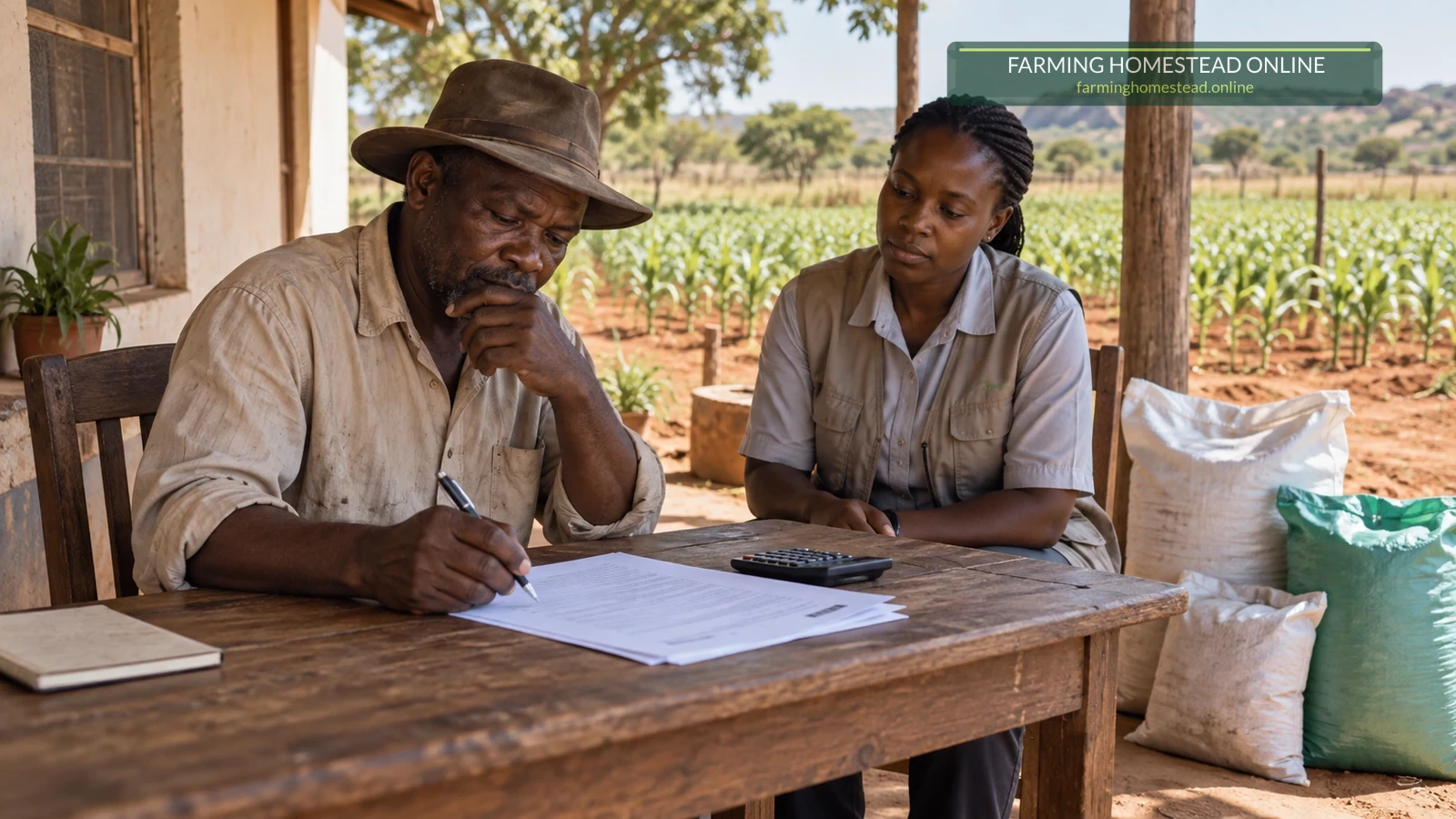
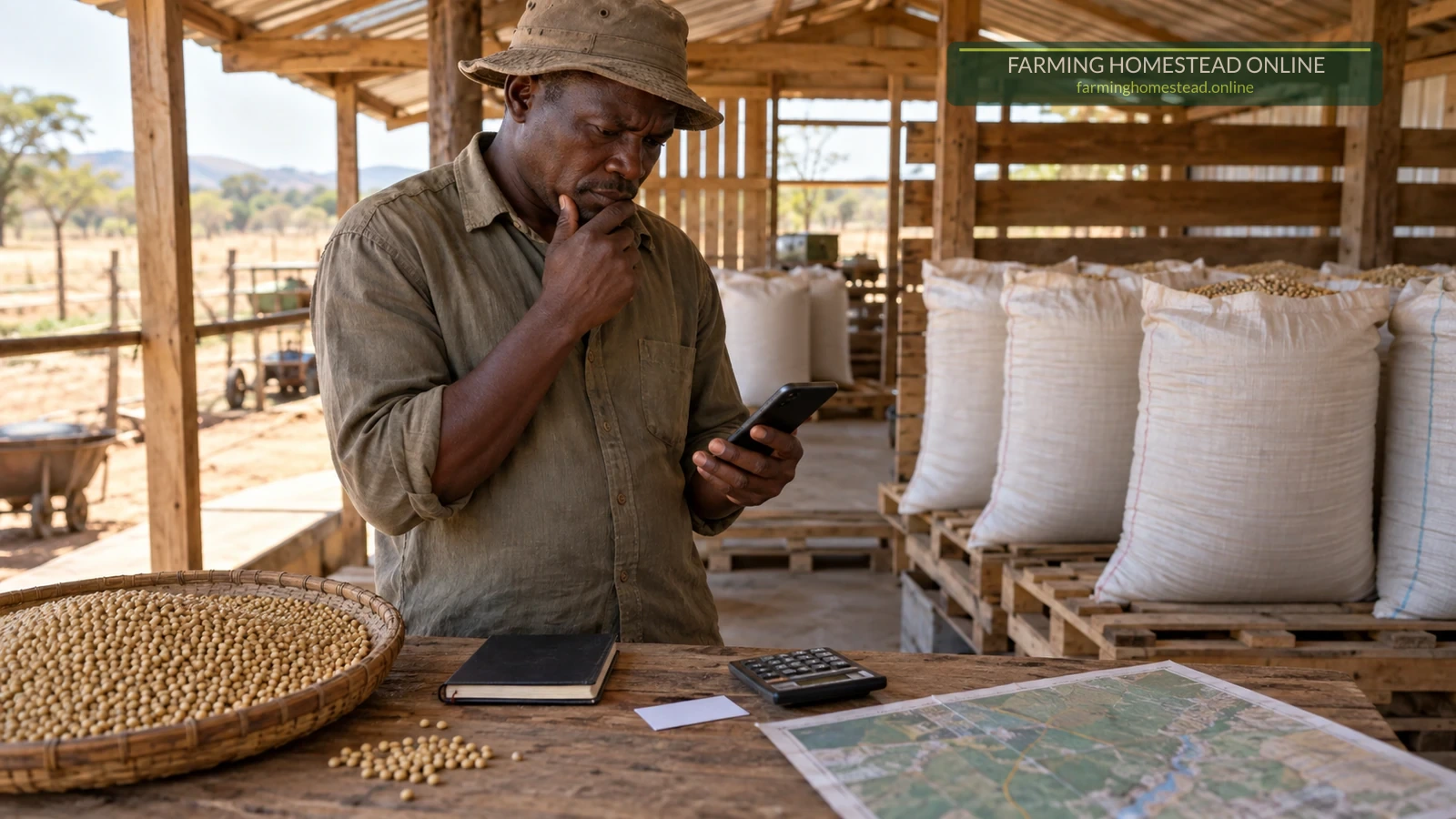
- Speak to real buyers and record the quantity, quality, delivery day and payment terms they expect.
- Draw the entrance, drainage, water, sanitation, home and production areas before fixing permanent buildings.
- Price the smallest working first stage and keep a separate working-capital reserve.
- Run one small cycle, keep records and expand only after reviewing the result.
Questions people ask
Can one hectare make money in Zimbabwe?
It can support income, but land size alone does not decide the result. Water, output quality, losses, buyer access, transport, management and working capital usually matter more.
Is one hectare enough for crops and livestock?
Yes, for a carefully limited project. It may hold a home, a small irrigated area and small livestock facilities. It may not produce all the animal feed or grazing required, so outside feed or lawful grazing may still be necessary.
What should a beginner start with?
Start with the smallest activity you can supervise and sell. A small vegetable area, seedling trial or limited poultry batch can teach more than a large first investment.
Sources and local checks
This guide was reviewed on 19 August 2026. It uses general planning lessons from the FAO Zimbabwe country overview, the World Bank Zimbabwe Economic Update, the ZIM-SHEP smallholder horticulture programme and the Ministry of Agriculture’s land-use planning manual. Confirm the current position with Agritex, the relevant authority and qualified local professionals before spending money.

Join the farm conversation
Share what is working on your farm, ask a clear question or add a useful local experience.
Sign in to leave a reply
A free account keeps the discussion useful and places your name beside your reply.
Quickest option
After sign-up or sign-in, you will return to this article and this reply box.